Biggest Audio Technica Buying Mistakes (And How to Avoid Them)
Audio Technica (often stylized as Audio-Technica) has earned a reputation for delivering well-engineered audio gear across headphones, microphones, and turntables. Because of the brand's broad catalog and consistent quality, buyers frequently assume a model will suit any need simply because it carries the Audio Technica name. That assumption leads to predictable mistakes: buying the wrong type for the use case, misreading specifications, or overlooking practical details like comfort and connectivity. This article explains the most common Audio Technica buying mistakes, analyzes representative products, and offers a practical buying guide so buyers make informed decisions aligned with real-world use cases.
Introduction: Why Audio Technica Confuses Some Buyers
Audio Technica's product line spans enthusiast headphones, professional studio monitors, DJ gear, affordable microphones, and well-regarded turntables. The same model family names (ATH-, AT-) appear across categories, and the "studio" label is used in marketing for equipment that targets both hobbyists and professionals. Buyers often focus on brand and model popularity rather than matching product attributes to what they actually need: recording, podcasting, DJing, commuting, or critical mixing. Misalignment between product capabilities and practical requirements is the root of most regrets.
Common Buying Mistakes
- Assuming "studio" equals flat or neutral sound: Many buyers interpret the term "studio" as an objective guarantee of a flat frequency response suitable for mixing and mastering.
- Ignoring impedance and sensitivity: Choosing headphones with higher impedance without checking whether the playback device or amp can drive them adequately.
- Choosing wireless for latency-sensitive work: Buying Bluetooth models for live monitoring, gaming, or recording where latency or dropouts matter.
- Overlooking open-back vs closed-back design: Selecting open-back headphones for commuting or shared offices where sound leakage and isolation are important.
- Buying microphones without checking power and connectors: Purchasing a condenser microphone without realizing that an audio interface with phantom power is required.
- Expecting a turntable to be plug-and-play with powered speakers: Purchasing a turntable without a built-in phono preamp when the amplifier or speakers need one.
- Prioritizing reviews over auditioning: Choosing a model based solely on uncritical praise in reviews or influencer content rather than real listening in the intended environment.
Product Analysis: Representative Audio Technica Models and Where Buyers Go Wrong
Headphones: ATH-M50x and Siblings
The ATH-M50x is one of the company's most recognized models. It is marketed for studio monitoring and critical listening, and its balanced bass-forward presentation is popular among content creators and casual listeners alike. The common buying mistakes here include:
- Using M50x for reference mastering: While good for general monitoring, the M50x's emphasized low end and slightly warm midrange can mislead mixing decisions if relied on as a single reference. In rooms without acoustic treatment, these characteristics become more pronounced.
- Not checking portability and comfort needs: The M50x is sturdy but not the lightest on-ear option for long commutes or marathon sessions.
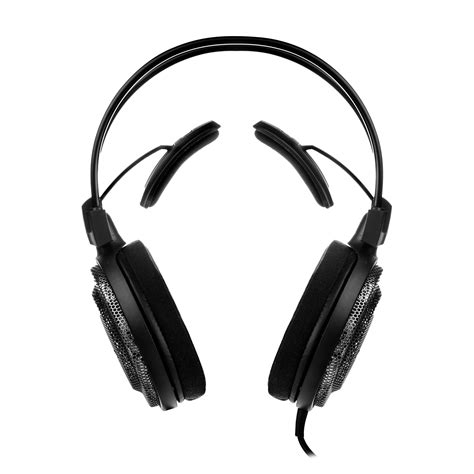
Alternative Audio Technica headphone families — such as the more neutral M40x or the open-back AD series — suit different applications. The key is picking the architecture that matches the workflow: closed backs for tracking and isolation, open backs for mixing in quiet, treated rooms.
Wireless/ANC Models
Audio Technica’s wireless and noise-cancelling offerings are well-built and appeal to frequent travelers. Mistakes include buying an ANC model for studio tracking or multiplayer gaming where low latency and absolute reliability matter more than noise suppression. Bluetooth codecs, battery life, and comfort under prolonged wear are critical factors buyers sometimes ignore.
Microphones: AT2020 and AT2035
Condenser microphones like the AT2020 and AT2035 are common picks for podcasters and home studios. Practical buying errors include:
- Not accounting for phantom power: The XLR AT2020 requires 48V phantom power and an audio interface. Buyers who only have a laptop with a 3.5mm jack will be disappointed.
- Misapplying microphone polar patterns: Choosing a cardioid condenser for noisy environments instead of a dynamic microphone that handles high SPL and rejects background noise better.
There are USB variants of popular models (e.g., AT2020USB+) that remove the interface requirement; selecting the correct connector type for the setup is essential.
Turntables: AT-LP Series
Audio Technica turntables are common first turntables for vinyl enthusiasts. The frequent errors buyers make are practical: assuming a turntable will play through powered speakers without a phono stage, or expecting DJ-level features from a consumer-oriented belt-drive unit. Buyers should verify whether a model includes a built-in phono preamp, whether the cartridge is user-replaceable, and whether the platter and motor type fit intended use (audiophile listening vs DJing).
Looking for the best Audio & Headphones deals on Amazon?
Browse Now →Pros & Cons
General Pros of Audio Technica Products
- Strong value: often good engineering and durability at accessible price points
- Broad product range: options for studio, consumer, and DJ applications
- Replaceable parts on many models (cables, ear pads, cartridges)
- Reliable design and consistent availability of accessories and spare parts
General Cons of Audio Technica Products
- Some models are tuned for consumer appeal rather than strict neutrality
- Model naming can be confusing for newcomers (many ATH- and AT- prefixes)
- Certain popular models are heavy or less comfortable for extended wear
- Not every model is ideal across all use cases—choosing correctly requires careful matching
Comparison Table: Typical Audio Technica Choices by Use Case
| Model (Representative) | Category | Best For | Design Notes | Typical Buyer Pitfall |
|---|---|---|---|---|
| ATH-M50x | Closed-back studio headphones | Tracking, general monitoring, content creation | Robust, punchy low end, foldable, detachable cable | Assuming ideal for final mastering/reference mixing |
| ATH-M40x | Closed-back studio headphones | More neutral monitoring than M50x, budget studios | Less bass emphasis, still durable and semi-portable | Overlooking comfort for long sessions |
| ATH-AD Series | Open-back headphones | Mixing, critical listening in quiet rooms | Wide soundstage, airier highs, not isolating | Buying for commuting or noisy environments |
| AT2020 (XLR) | Condenser microphone | Podcasts, vocals, home recording | Good value, requires phantom power | Expecting plug-and-play with laptops without interface |
| AT-LP120X | Direct-drive turntable | Entry DJing and vinyl playback | Sturdy, often includes USB output on some revisions | Assuming cartridges and preamps are included or ideal |
Buying Guide: How to Avoid the Biggest Mistakes
1. Clarify the Use Case
Start by defining the primary use case. Are the headphones intended for commuting, DJing, podcasting, or mixing? Different use cases demand different features: closed-back designs and active noise cancellation for travel; open-back designs for mixing in treated rooms; robust build and detachable cables for live work. Buyers should write down the main scenarios where the product will be used and prioritize features accordingly.
2. Read the Specs That Matter (and Ignore the Hype)
Rather than relying on the brand name alone, pay attention to practical specifications:
- Impedance and sensitivity: Low-impedance headphones pair well with phones and portable players without amplification; high-impedance models may need a headphone amp or interface.
- Connector type: XLR vs USB for microphones; wired vs Bluetooth for headphones; phono vs line output for turntables.
- Driver type and design: Open-back vs closed-back affects isolation and soundstage.
3. Account for Connectivity and Power Needs
Microphones often cause confusion—condenser mics need phantom power from an interface or mixer. USB microphone variants remove that requirement but trade flexibility for convenience. For turntables, ensure the audio chain includes a phono preamp or pick a model with a built-in preamp if connecting to powered speakers or consumer receivers.
4. Prioritize Comfort and Build for Intended Session Length
Long sessions amplify weaknesses in fit and clamping force. For studio work or marathon listening, prioritize padding, ear cup size, and clamping pressure. For mobile use, also consider foldability and carrying case design.
5. Consider Replaceability and Serviceability
Models with detachable cables, replaceable ear pads, and serviceable cartridges will last longer and cost less to maintain. Check the availability of replacement parts and whether the model supports cable swapping or aftermarket upgrades.
6. Test for Latency and Codec (Wireless Models)
When considering wireless models, check supported Bluetooth codecs and test latency for gaming or monitoring. AptX Low Latency or similar codecs are preferable for time-critical use; otherwise, wired monitoring remains the safest choice.
7. Use Multiple Listening References
For mixing and mastering, use several reference systems (closed-back headphones, open-back headphones, studio monitors, consumer earbuds) to avoid "mix translation" problems. Avoid relying on a single headphone model as the sole reference.
Shop the latest Audio & Headphones picks on Amazon.
Shop Amazon →8. Watch for Common Pairing Mistakes
High-impedance headphones paired with a smartphone without an amp will sound thin and lack volume. Conversely, sensitive headphones driven by high-gain desktop equipment may reveal hiss. Buyers should consider the entire signal chain when choosing a model.
9. Verify Return Policies and Try to Audition
Even with careful research, subjective preferences for tonality and comfort vary. Wherever possible, audition gear in a local store or buy from a retailer with a generous return window. Hearing several models back-to-back in the intended environment reveals important differences not apparent in spec sheets.
10. Think Long Term: Upgrades and Ecosystem
Consider whether the chosen model fits into a wider ecosystem. For example, a high-quality XLR microphone may be a better long-term investment for expanding production capabilities than a USB mic that offers less flexibility. The same goes for turntables: a model with a standard mount cartridge is easier to upgrade later.
Real-World Use Cases and Decision Flow
For busy podcasters recording in rooms with background noise, the practical choice is often a dynamic microphone with an XLR connector and close-up technique—condenser microphones shine in treated spaces but amplify room noise. Streamers who interact live should prioritize low-latency wired headphones or quality closed-back wired models for monitoring their voice without bleed. Audiophiles building a critical listening setup should lean toward open-back models and treat the room acoustically rather than expecting headphones alone to solve tonal inaccuracies.
Conclusion
Audio Technica makes consistently good products, but the brand name alone is not a guarantee of the right fit for every situation. The most common buyer mistakes are predictable and avoidable: misreading product purpose, overlooking electrical compatibility, ignoring comfort, and misaligning design choices with real-world environments. Careful definition of the intended use case, attention to the specifications that affect daily performance (impedance, power needs, open vs closed design), auditioning when possible, and verifying return policies will prevent regret. When buyers match model traits to practical needs, Audio Technica gear often delivers excellent value and durability for years of reliable use.