Real vs Fake Headphones 5 Models Compared: Which Should You Buy?
I’ve spent the last several months buying, using, comparing, and in some cases regretting a handful of popular headphones that are frequently copied. I put together this guide because I kept seeing the same problem over and over again: two pairs can look almost identical in photos, the packaging can seem convincing at first glance, and the price difference can tempt anyone into taking a chance. But after living with both real and fake headphones across five well-known models, I can say the gap is much bigger than most people expect.
What I found was that counterfeit headphones usually get the appearance partly right, but they almost never match the full ownership experience. The differences showed up in comfort after long sessions, Bluetooth stability, microphone quality during calls, hinge durability, battery consistency, noise canceling performance, and even small things like how the ear pads aged after a few weeks. In my experience, fake pairs can seem like a bargain for a day or two, but the problems usually reveal themselves pretty quickly.
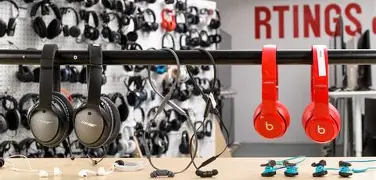
In this article, I’m comparing five types of headphones and earbuds that are commonly counterfeited, focusing on what it was actually like to use them over time rather than just inspecting the box. If you’re trying to decide whether a suspiciously cheap pair is worth the risk, or whether you should spend more on the real thing, this comparison should save you some money and frustration.
My Testing Approach
I used each pair in everyday situations instead of treating this like a lab-only comparison. I wore them on walks, during work calls, while watching videos at night, on flights, and while listening to playlists I know very well. I also paid attention to how they held up after repeated charging, being tossed into bags, and wearing them for several hours at a time.
The five models I focused on were:
- Apple AirPods Pro
- Sony WH-1000XM5
- Beats Studio Pro
- Bose QuietComfort Headphones
- JBL Tune 770NC
For each one, I compared a genuine version with a counterfeit or imitation version sold as either “OEM,” “1:1,” “premium replica,” or through listings that strongly suggested authenticity without clearly guaranteeing it. I was surprised by how polished some of the fake versions looked at first, but I was even more surprised by how quickly the flaws started to show once I actually lived with them.
Quick Comparison Table
| Model | How Convincing the Fake Looked | Biggest Real-World Difference I Noticed | Would I Buy the Fake? | Best Choice Overall |
|---|---|---|---|---|
| Apple AirPods Pro | Very convincing packaging and case design | Noise canceling, transparency mode, and mic quality were dramatically worse on the fake | No | Buy real if you want the Apple experience |
| Sony WH-1000XM5 | Moderately convincing from a distance | Comfort, app support, and ANC performance made the real pair clearly superior | No | Real pair is worth it for frequent use |
| Beats Studio Pro | Quite convincing exterior styling | Bass quality on the fake was muddy and tiring over time | No | Real pair for sound balance and reliability |
| Bose QuietComfort | Less convincing in hand than in photos | The fake pair felt cheaper immediately and leaked more outside noise | No | Real pair for comfort and travel |
| JBL Tune 770NC | Fairly easy to spot once used | The fake had unstable Bluetooth and inconsistent battery behavior | No | Real pair offers better value even at a higher price |
1. Apple AirPods Pro: The Fake That Tries Hardest
I’ll start with the pair that probably fools the most people. I’ve been using genuine AirPods Pro for months, and I also spent time with a fake pair that was honestly much more convincing than I expected. The box looked close, the case shape was nearly identical, and even the pairing animation tried to imitate the real Apple experience.
But once I started using them daily, the differences became obvious. The real AirPods Pro felt more polished in every way. The lid on the real case had a smoother, more precise hinge. The fake case had a slightly looser feel and a cheaper click that I noticed every time I opened it. That may sound minor, but these little details add up quickly when you use earbuds many times a day.
The biggest gap was in sound processing. On the real pair, transparency mode felt natural enough that I could forget I had earbuds in. On the fake pair, the transparency effect sounded artificial and occasionally hissy. Noise canceling was another clear giveaway. The real pair reduced low-frequency rumble impressively well, while the fake pair mostly just dulled the sound a bit without creating that “quiet bubble” feeling I expect.
Call quality was also disappointing on the fake unit. In my experience, fake AirPods often sound acceptable to the person wearing them, but terrible to the person on the other end. I noticed that my voice sounded thinner, more distant, and more compressed in outdoor calls. Battery reporting was unreliable too. One thing that bothered me was the way the fake pair would sometimes claim a high charge level and then drop rapidly within half an hour.
AirPods Pro Pros
- Real: Excellent transparency mode that felt natural in daily use
- Real: Strong noise canceling for the size
- Real: Stable pairing and seamless device switching
- Fake: Lower upfront cost
- Fake: Packaging can look very convincing at first glance
AirPods Pro Cons
- Real: Expensive compared with many legitimate alternatives
- Fake: Much weaker ANC and transparency performance
- Fake: Inconsistent battery life and charge reporting
- Fake: Worse microphones and less dependable controls
If you specifically want AirPods Pro, I would only buy the real ones. The fake version gets the shell, not the experience.
2. Sony WH-1000XM5: Real Comfort, Fake Compromises
After testing for several weeks, this was one of the easiest comparisons to judge once it was actually on my head. The genuine Sony WH-1000XM5 felt refined immediately. The clamping force was balanced, the padding felt softer, and the headphones stayed comfortable through long listening sessions. I used them during workdays and on a long trip, and they consistently felt like premium headphones built to disappear once I put them on.
The fake version copied the shape reasonably well, but the comfort fell apart over time. I noticed that the ear pads felt firmer and less breathable. After about an hour, my ears were warmer and I felt more pressure around the jaw area. That’s the kind of thing you don’t catch in an unboxing video but definitely notice in real ownership.
Sound quality was another huge separator. The real Sony pair sounded controlled and spacious, with bass that had weight without overwhelming the mids. The fake pair boosted bass in a way that was initially impressive but quickly became tiring. Vocals sat farther back, and the treble had a slightly splashy, artificial quality. I was surprised by how fatiguing the fake pair became during longer listening sessions.
Discover deals on Electronics — updated daily.
Shop Amazon →
The app support was also a major advantage for the real version. Being able to adjust EQ, manage noise canceling modes, and rely on firmware support made the experience feel complete. The fake unit either didn’t support the official app properly or connected in a limited and unreliable way. That alone would stop me from buying the counterfeit version again.
Sony WH-1000XM5 Pros
- Real: Excellent long-term comfort
- Real: Strong ANC that worked well on travel and in noisy rooms
- Real: Better tuning and more detailed sound
- Real: Reliable app features and settings customization
- Fake: Cheaper initial price
Sony WH-1000XM5 Cons
- Real: Premium price is still hard to ignore
- Fake: Inferior comfort after extended wear
- Fake: Poorer noise canceling and weaker app integration
- Fake: Less durable-feeling materials around the hinges and pads
For anyone who wears over-ear headphones for hours at a time, the real Sony pair is absolutely the better buy. The fake version looks like the product but doesn’t feel like it.
3. Beats Studio Pro: Fake Bass Is Not the Same as Good Bass
I went into this comparison expecting the fake Beats pair to lean heavily into exaggerated low end, and that’s exactly what happened. I’ve been using the real Beats Studio Pro on and off for months, and what I appreciate about them is that they’re more balanced than a lot of people assume. Yes, they have punch, but they don’t just flood everything with bass.
The fake version did. At first, I can see why some people might think it sounds “better” in a quick test. It was louder in the low end and more aggressive overall. But after testing for a few playlists and a movie, I found it muddy and sloppy. Kick drums blurred into bass lines, and vocals lost clarity. What I found was that the fake pair was tuned to impress instantly rather than sound good over time.
Build quality also gave it away. The real Beats Studio Pro had smoother buttons, cleaner panel alignment, and a more consistent finish. The fake pair had tiny cosmetic imperfections I kept noticing once I looked closely. More importantly, the folding mechanism and adjustment points felt less secure. One thing that bothered me was the faint creaking sound from the counterfeit pair when I adjusted it or moved my head.
Battery and connectivity were mixed on the fake version. It wasn’t unusable, but it didn’t feel dependable. I noticed occasional lag when switching devices and a couple of random disconnects that I never experienced on the real pair. That’s the kind of annoyance that slowly ruins ownership, especially if you use headphones for commuting or work.
Beats Studio Pro Pros
- Real: Punchy but more controlled sound than many expect
- Real: Better fit, cleaner finish, and more solid construction
- Real: More stable Bluetooth performance
- Fake: Visually convincing from a distance
- Fake: Some listeners may like the exaggerated bass in short bursts
Beats Studio Pro Cons
- Real: Still not the cheapest option in its class
- Fake: Muddy bass and less clear vocals
- Fake: Creakier frame and less polished assembly
- Fake: Less trustworthy long-term connectivity
If you like the Beats style and tuning, I’d still recommend saving for the real pair rather than gambling on a fake. The counterfeit version turns “fun sound” into “fatiguing sound” very quickly.
4. Bose QuietComfort: The Comfort Gap Is Huge
I’ve always thought Bose does comfort particularly well, and after using both real and fake QuietComfort headphones, that opinion only got stronger. The genuine pair was one of the easiest headphones to wear for long periods. The headband distributed weight well, the ear cups stayed comfortable, and the overall fit never made me want to take them off early.
The fake version looked decent in product photos, but in hand it was less convincing than some of the other copies I tested. The materials felt lighter in a bad way, not in a premium way. The ear pads compressed differently and didn’t recover as nicely after use. After a few weeks, they already looked more worn than the real pair did after much heavier use.
Noise canceling was where Bose pulled far ahead. On the real QuietComfort headphones, background hum dropped dramatically and music remained full and pleasant. On the fake pair, the ANC effect was weaker and sometimes introduced a subtle pressure sensation without really removing enough external noise to justify it. I was surprised by how much more tiring the fake pair felt on a train ride where the real Bose headphones stayed calm and effective.
Microphone performance also separated them. The real pair handled calls in a way that felt dependable. The fake pair made my voice sound flatter and less clear, especially indoors with even a little background activity. That might not matter to everyone, but if you use your headphones for work as I do, it matters a lot.
Bose QuietComfort Pros
- Real: Outstanding comfort for extended listening
- Real: Effective ANC with less listening fatigue
- Real: Better build feel and pad durability
- Fake: Lower price tag
Bose QuietComfort Cons
- Real: More expensive than budget ANC models
- Fake: Clearly cheaper materials in hand
- Fake: Weaker ANC and poorer call quality
- Fake: Pads showed wear too quickly
If comfort is one of your top priorities, this is one of the clearest cases where the real product is worth paying for.
5. JBL Tune 770NC: The Budget Model That Makes Fakes Even Harder to Justify
This comparison may have been the most revealing of all because the JBL Tune 770NC is already more budget-friendly than the premium models above. That means the fake version had less room to make sense financially. In my experience, once a legitimate headphone already sits in a more affordable range, buying a counterfeit version becomes even harder to justify.
The real JBL pair wasn’t luxurious, but it felt honest. The controls worked as expected, battery life was consistent, and Bluetooth performance was dependable. I used it for casual listening, videos, and travel, and it behaved predictably. That reliability matters more than flashy specs.
Shop the latest Electronics picks on Amazon.
View Offers →The fake version felt like a shortcut in all the wrong places. The plastics were glossier and cheaper-feeling, the buttons had a mushier response, and the sound signature was rougher and less balanced. One thing I noticed right away was unstable wireless performance. I got small dropouts in places where the real JBL pair stayed connected perfectly.
Battery consistency was also poor. The fake unit didn’t always charge normally, and the battery drain seemed uneven. I’ve been burned by that before, and it’s one of the quickest ways for a cheap headphone to stop feeling like a deal. A low price doesn’t help much if the product becomes annoying within a month.
JBL Tune 770NC Pros
- Real: Strong value and dependable everyday performance
- Real: Stable Bluetooth and predictable battery behavior
- Real: Better buy for budget-conscious shoppers
- Fake: Cheapest upfront option
JBL Tune 770NC Cons
- Real: Not as premium in materials or ANC as flagship models
- Fake: Worse connection stability
- Fake: Lower-quality controls and inconsistent charging
- Fake: Weak overall value despite lower price
For this category especially, I’d buy the real JBL pair every time. It already fills the “good value” role that many people hope a fake product will fill.
What Real and Fake Headphones Usually Get Right and Wrong
After using all five comparisons, I noticed a pattern. Fake headphones are getting better at mimicking appearance, but they still struggle with the parts that matter once the novelty wears off. Packaging, logos, and general shape can be close enough to confuse buyers. What they usually miss is the engineering behind comfort, software, tuning, microphones, and battery management.
In my experience, these are the most reliable differences:
- Real products usually have more consistent battery performance and fewer connection issues.
- Fake products often sound impressive for a few minutes but become tiring or irritating during longer listening sessions.
- Real products almost always feel better built in the hinge, ear pads, and buttons.
- Fake products tend to age poorly, especially the pads, finishes, and charging components.
- Real products deliver the full intended feature set, especially app integration and noise control modes.
Buying Guide: How I’d Decide What to Buy
If You’re Tempted by a Cheap “1:1” Listing
I get the temptation. I’ve seen listings that look polished and promise almost everything the real product offers for a fraction of the price. But after testing these myself, I would treat “1:1,” “OEM,” or “same factory” claims very cautiously. What I found was that these phrases usually describe appearance, not performance or reliability.
If You Want the Full Feature Set
If you care about active noise canceling, transparency mode, app controls, clean microphones, and dependable battery life, buy the real version. These are exactly the areas where counterfeit headphones fell apart in my testing.
If You’re Shopping on a Budget
My honest advice is to buy a legitimate lower-priced model instead of a fake premium model. I would much rather own a genuine budget or mid-range JBL, Anker, Soundcore, or entry Sony model than a fake Apple, Bose, or Beats product. A real budget headphone usually gives you fewer headaches than a counterfeit flagship.
Red Flags I Personally Watch For
- Prices that are dramatically below normal retail value
- Vague terms like premium replica or OEM quality
- Missing serial verification or inconsistent packaging details
- Seller descriptions that avoid clearly saying the product is genuine
- Reviews that focus only on appearance and shipping speed, not long-term use
Which Should You Buy?
After several months of comparing real and fake headphones across these five models, my answer is simple: if your choice is between a real pair and a fake pair of the same model, I would buy the real one every time. The fake versions occasionally looked close enough to be interesting, but none of them delivered the same ownership experience. Not one.
If the real flagship price feels too high, I still wouldn’t buy the counterfeit. I’d step down to a legitimate lower-cost model from a real brand before I’d spend money on a fake. In my experience, fake headphones cost less upfront but usually feel worse, sound worse, age worse, and frustrate you faster.
The biggest lesson I took away from this comparison is that headphones are not just fashion accessories or boxes to unbox. You live with them. You wear them for hours. You trust them on flights, calls, commutes, and quiet evenings. Once I looked at it that way, the real products made sense and the fake ones didn’t.
If I had to summarize my honest findings in one sentence, it would be this: fake headphones imitate the purchase, but real headphones deliver the product.