The Real Truth: Vitamix or Blendtec?
In the world of high-performance kitchen electronics, few rivalries are as storied or as passionate as the one between Vitamix and Blendtec. For decades, these two American manufacturers have dominated the premium blender market, promising to transform whole foods into professional-grade textures that cheap department store models simply cannot replicate. To the uninitiated, paying several hundred dollars for a blender might seem excessive, but for those who prioritize nutrition, culinary versatility, and long-term durability, it is often viewed as a lifetime investment. This article explores the nuanced differences between these two titans of the industry to reveal the real truth behind which machine deserves a spot on the kitchen counter.
The fundamental appeal of a high-speed blender lies in its ability to pulverize cell walls. Whether it is turning kale into a liquid with zero grit, making hot soup from raw ingredients using friction alone, or grinding grain into flour, the engineering required is immense. While both brands achieve these tasks, they do so through remarkably different philosophies of design and operation. One relies on tactical control and heavy-duty mechanical cooling, while the other leans into automation, digital interfaces, and blunt-force pulverization. Understanding these internal logics is the first step in deciding which brand aligns with a user's specific culinary habits.
Vitamix: The Professional Standard for Manual Control
Vitamix has long been the darling of professional chefs and culinary schools. Based in Ohio, the company has built its reputation on the "Legacy" series, specifically machines like the 5200, which defined the category. Today, Vitamix offers a wider range of models, including the Ascent Series which introduces wireless connectivity and self-detect containers, but the core engineering remains consistent. Vitamix blenders emphasize a tactile experience centered around a variable speed dial. This allows the user to have granular control over the texture of the blend at any given second.
The hallmark of a Vitamix is its cooling system and motor longevity. These machines are designed to be "tortured" in a kitchen environment. They utilize a large fan and a heavy-duty motor housing that allows them to run for several minutes at a time without overheating—a necessity when making thick nut butters or steaming hot soups. Furthermore, Vitamix utilizes a four-prong stainless steel blade system that is sharp to the touch. This sharpness, combined with the vortex-creating shape of the container, ensures that ingredients are constantly pulled down through the blades, resulting in what many consider the smoothest possible consistency in the blending world.
The User Experience with Vitamix
When operating a Vitamix, the user is often part of the process. Most Vitamix models come with a "tamper," a plastic tool designed to be inserted through the lid to push stubborn ingredients into the blades. While some critics view the tamper as a sign of a design flaw, Vitamix enthusiasts see it as a vital tool for making thick recipes like hummus, frozen fruit sorbets, or acai bowls without having to add excessive liquid. This manual intervention prevents the "air pocket" or cavitation that often occurs when blending frozen items, ensuring a continuous and efficient cycle.
Blendtec: Innovation Through Automation and Power
Based in Utah, Blendtec took a different path to fame, largely catalyzed by its viral marketing but sustained by genuine engineering innovation. Blendtec's philosophy is rooted in the idea of the "Smart Blender." Rather than asking the user to stand by the machine and adjust dials, Blendtec utilizes pre-programmed cycles. One press of a button initiates a sequence that varies speed and duration to achieve a specific result—be it a smoothie, a batter, or a soup—and then shuts off automatically. This "set it and forget it" approach appeals heavily to busy families and tech-forward users.
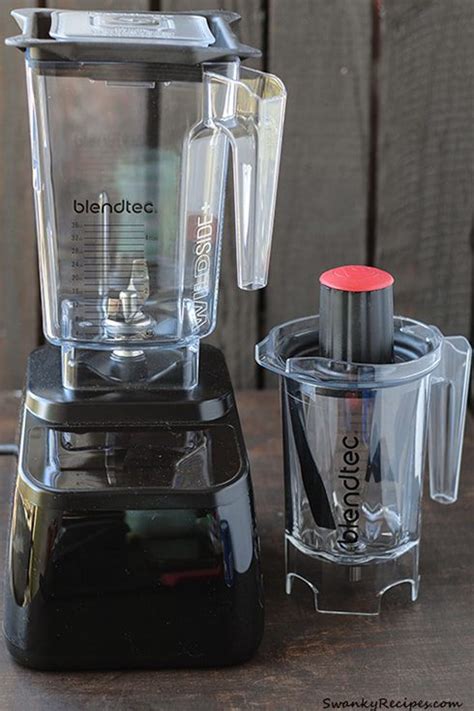
One of the most radical departures in Blendtec's design is the blade. Unlike Vitamix, Blendtec blades are intentionally dull. They are flat, two-pronged, and significantly thicker than traditional blades. The logic is that at speeds reaching 300 miles per hour, a sharp edge is unnecessary and actually more prone to wear. Instead, Blendtec uses blunt force to "smash" ingredients. This design choice makes the container much safer to clean by hand and ensures the blade never loses its effectiveness over time. Additionally, Blendtec’s "WildSide+" container features a five-sided design that disrupts the circular motion of the blend, forcing ingredients off the walls and back into the blades without the need for a tamper.
The User Experience with Blendtec
Operating a Blendtec feels like using a high-end computer. The touchscreens and capacitive sliders found on models like the Designer 725 provide a sleek, modern aesthetic that fits well in contemporary kitchens. Because the machines are generally shorter than the classic Vitamix models, they fit under standard kitchen cabinets more easily. However, because Blendtec lacks a tamper, users must be more precise with the order in which they layer ingredients (liquids first, then solids, then frozen) to ensure the machine can create a successful vortex on its own.
Pros and Cons Comparison
Every piece of high-end electronics involves trade-offs. While both machines are world-class, their specific strengths manifest in different ways depending on the task at hand. Below is a breakdown of the advantages and disadvantages of each ecosystem.
Discover deals on Electronics — updated daily.
Browse Now →Vitamix Pros and Cons
- Pro: Unmatched Texture Control. The variable speed dial allows for everything from a coarse chop for salsa to a microscopic purée for gourmet sauces.
- Pro: The Tamper. Essential for thick blends; it allows the user to process heavy ingredients without adding extra liquid, preserving flavor density.
- Pro: Cooling System. Superior airflow design allows for longer run times under heavy loads without the motor shutting down for safety.
- Pro: Container Variety. A massive ecosystem of containers including the Aer disc for emulsifying and specialized dry grains jars.
- Con: Height. Legacy models are often too tall (20+ inches) to sit on a counter under standard overhead cabinets.
- Con: Blade Cleanup. Because the blades are sharp and non-removable, cleaning underneath them manually requires caution.
Blendtec Pros and Cons
- Pro: Automation. The pre-programmed cycles are exceptionally well-tuned for common tasks, allowing for multitasking in the kitchen.
- Pro: Safety and Ease of Cleaning. The blunt blade design is safe to touch and the flat base of the jar makes it easy to wipe out with a sponge.
- Pro: Compact Design. Most Blendtec models are designed with a lower profile, ensuring they fit easily in any kitchen layout.
- Pro: Power-to-Weight Ratio. Blendtec motors often boast higher peak horsepower ratings, making them formidable against the toughest frozen ingredients.
- Con: Noise Level. Generally, Blendtec machines operate at a higher pitch and volume than Vitamix, which can be jarring in quiet environments.
- Con: Cavitation Issues. Without a tamper, thick recipes can occasionally form an air bubble around the blade, necessitating the user to stop the machine and shake the jar.
Technical Specification Comparison
To understand the "Real Truth" of these machines, we must look at the raw data. While horsepower is a common marketing metric, the way that power is applied to the ingredients is what ultimately determines the quality of the result.
| Feature | Vitamix (Ascent/Legacy) | Blendtec (Designer/Classic) |
|---|---|---|
| Motor Horsepower | 2.0 to 2.2 Peak HP | 3.0 to 3.8 Peak HP |
| Interface | Manual Dial + Switches (some Touch) | Touchscreens + Capacitive Sliders | 4-Prong Stainless (Sharp) | 2-Prong Stainless (Blunt/Dull) |
| Standard Warranty | 5 to 10 Years | 2 to 8 Years |
| Weight | 11 - 15 lbs (Heavier/Sturdier) | 7 - 10 lbs (Lighter/More Portable) |
| Heating Capability | Through Friction (Blade Speed) | Through Friction (Blade Speed) |
The Real-World Use Cases: Which One Wins?
The "better" blender is often determined by the specific meals a household prepares most frequently. While both can do almost anything, they each have specialized "sweet spots" where they outperform the competition.
Smoothie Enthusiasts and Green Drinks
If the primary use case is a daily green smoothie with fibrous vegetables like kale, chard, or celery, Vitamix holds a slight edge. The sharp blades and the specific vortex created by the four-sided container tend to shear through fibers more effectively, resulting in a drink that feels like silk. Blendtec produces an excellent smoothie as well, but in side-by-side "strainer tests," Vitamix often leaves behind slightly less pulp. However, for fruit-based smoothies or protein shakes, the Blendtec "Smoothie" button is incredibly convenient, allowing the user to walk away and start their morning coffee mientras the blender does the work.
Hot Soups and Emulsions
Because both machines can spin their blades at speeds high enough to generate heat through molecular friction, both can turn cold water and raw vegetables into steaming hot soup in about six minutes. Vitamix is generally preferred for this by culinary enthusiasts because the variable speed dial allows for the gradual addition of oils or fats, making it the superior tool for creating stable emulsions like hollandaise or homemade mayonnaise. Blendtec’s "Soup" cycle is powerful but aggressive, and because it lacks the low-speed finesse of the Vitamix dial, it is less suited for delicate sauces that require gentle incorporation.
Nut Butters and Frozen Desserts
This is where the debate becomes most heated. Making almond butter or thick fruit sorbet requires moving heavy, sticky masses that do not want to flow. The Vitamix tamper is the "silver bullet" here. By constantly pushing the ingredients back into the blades, a Vitamix can produce a jar of nut butter in under two minutes without requiring the addition of extra oils. Blendtec has attempted to solve this with their "Twister Jar," a separate container with a lid that has rotating tines to scrape the sides. While the Twister Jar is highly effective, it is an additional purchase, whereas the Vitamix system handles these tasks out of the box.
Buying Guide: Key Considerations for the Consumer
When selecting between these two brands, buyers should look beyond the price tag and consider these four critical factors of ownership.
1. Space and Clearance
Before purchasing, measure the distance between your countertop and the bottom of your upper cabinets. Many "Legacy" Vitamix models (like the 5200) will not fit under standard cabinets when the jar is on the base. If you want to keep the blender on display, you will need to look at the Vitamix "Low Profile" containers or the "Ascent" series. Blendtec machines are almost universally designed to fit under 18-inch cabinets, making them the safer choice for kitchens with limited vertical space.
2. Noise Levels
High-powered electronics are inherently loud. These blenders operate at 80 to 95 decibels, which is equivalent to a lawnmower or a vacuum cleaner. However, the tone of the noise differs. Vitamix tends to have a lower, growling bass tone due to its heavier base and insulated motor. Blendtec has a higher-pitched, screeching tone because of its lighter plastic housing and high-speed motor. If you live in an apartment with thin walls or have sensitive ears, the Vitamix is generally the more tolerable of the two, particularly the Pro 750 or Ascent A3500 models which feature enhanced vibration dampening.
Find top-rated Electronics products at great prices.
Shop Amazon →3. Digital vs. Analog Preference
Consider your personal relationship with technology. Those who enjoy the tactile feel of a high-end stereo system—turning a heavy, weighted knob and feeling the click of a physical switch—will gravitate toward the Vitamix Legacy series. Conversely, if you prefer the interface of a smartphone and want a countdown timer that tells you exactly when your blend will be finished, Blendtec is the clear winner. The digital feedback on a Blendtec provides a level of consistency that is hard to match with a manual dial.
4. The Warranty and Repairability
Both companies offer stellar warranties, often ranging from 7 to 10 years, covering parts, labor, and two-way shipping. However, the real truth is that Vitamix machines are often considered more "repairable." Because of their ubiquity, finding replacement parts or out-of-warranty service is relatively straightforward. Blendtec units are more integrated; if a touchscreen fails, it typically requiring a full base replacement. It is worth noting that both brands have exceptional customer service records, and a blender from either company is likely to last 15 to 20 years with residential use.
The Impact on Nutritional Health
A significant portion of the cost of these electronics is justified by the nutritional benefits they provide. Because of the sheer speed and torque of the motors, these blenders are capable of breaking down the cell walls of seeds, skins, and stems. This releases phytonutrients and antioxidants that are often trapped and pass through the digestive system unused when foods are chewed or processed in standard blenders.
For individuals dealing with digestive sensitivities or those looking to maximize their intake of "whole food" nutrition, the choice between the two matters less than the fact that you are moving to this tier of machinery. Both Vitamix and Blendtec can turn a handful of flax seeds into a fine powder and liquefy frozen berries—including the tiny seeds—to a point where they are virtually imperceptible. This capability allows users to incorporate high-fiber, nutrient-dense ingredients into their diet in a way that remains delicious and palatable.
Conclusion
The real truth in the Vitamix versus Blendtec debate is that there is no universal "winner," but there is a right choice for every specific user. The decision boils down to a fundamental preference in workflow. If you view cooking as an art and want to be "hands-on" with your ingredients—adjusting speeds on the fly and using a tamper to craft the perfect consistency—Vitamix is the undisputed king of the kitchen. Its refined textures and mechanical reliability make it a tool that grows with your culinary skills.
On the other hand, if you view a blender as a high-performance utility meant to simplify your life through technology, Blendtec is the superior option. Its automated cycles, safety-first blade design, and space-saving profile make it an ideal companion for the modern, fast-paced household. While the Vitamix may offer a slightly smoother green smoothie, the Blendtec offers a level of convenience and power that is equally transformative.
Ultimately, investing in either a Vitamix or a Blendtec is a commitment to a healthier, more versatile kitchen. These are not mere appliances; they are professional-grade electronics designed to withstand the rigors of daily use for decades. Whichever path you choose, you are moving away from the "disposable" culture of cheap electronics and into a world of precision engineering where the quality of the blend is limited only by your imagination.