The Ultimate Showdown: Sigma 17 40Mm F 1 8 Dc Art vs Sigmas 135Mm F 1 4 Dg Art for 2026
Introduction
Choosing a lens is one of the most consequential decisions a photographer makes. Two very different lenses from Sigma’s Art line— the Sigma 17–40mm F1.8 DC Art and the Sigma 135mm F1.4 DG Art—often sit on opposite ends of a photographer’s kit list but can both be indispensable depending on needs. One is a bright wide-to-normal zoom for crop-sensor bodies that promises versatility and low-light performance across focal lengths commonly used in travel, events, and documentary work. The other is a long, ultra-fast prime that excels in portraiture, subject isolation, and the kind of compression and background rendering many pros chase.
This article compares those lenses in practical terms for 2026 buyers: how they perform, who will benefit most, the trade-offs to expect, and the buying considerations that matter beyond mere numbers. The aim is honest, useful guidance grounded in real-world use cases and the kinds of questions buyers typically care about: sharpness, bokeh, autofocus, handling, size/weight, and value.
Sigma 17–40mm F1.8 DC Art — Detailed Review and Analysis
Overview and Intended Use
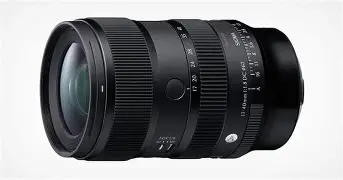
The Sigma 17–40mm F1.8 DC Art is positioned as a high-quality, bright zoom for APS-C (crop) cameras. Its unusually wide constant f/1.8 aperture across the zoom range targets photographers who need flexibility without sacrificing low-light capability: wedding second shooters, travel photographers, run-and-gun documentary shooters, and content creators who want shallow depth of field at wider angles.
Design, Build, and Handling
As a member of the Art line, the 17–40mm generally prioritizes build quality and a tactile control layout. Users report a substantial, solid-feeling construction that balances weather resistance and ergonomic controls. On small mirrorless crop bodies the lens typically balances well, though it will add noticeable front-end heft compared with kit lenses. The zoom and focus rings are designed for smooth operation during quick focal-length changes.
Optical Performance
Where the 17–40mm shines is in delivering a consistently bright image across its zoom range. The wide aperture enables faster shutter speeds in dim conditions and a shallower depth of field than is typical for zooms in this focal-class. Expect strong central sharpness from wide-open apertures, with tones and micro-contrast that lend themselves to punchy, modern-looking images straight out of the camera. As with many wide zooms, corners may require stopping down for absolute edge-to-edge resolution at the widest angle, and careful users will watch for vignetting at f/1.8—though that is often correctable in post.
Autofocus and Performance in the Field
Autofocus systems on this lens are tuned for everyday speed and accuracy. For run-and-gun shooting—weddings, indoor events, street—the lens provides reliable subject acquisition and reasonable tracking for still subjects. Continuous-AF on fast-moving subjects will depend heavily on the camera body and firmware; pairing with a modern mirrorless body improves responsiveness and eye/face-detection performance.
Real-World Use Cases
- Travel and street photography: The 17–40mm range covers classic travel focal lengths from wide environmental scenes to standard portraits, and the f/1.8 aperture helps in low-light cafés or night streets.
- Event photography: Ideal for second shooters who need to move quickly between wide group shots and tighter portraits without changing lenses.
- Video and vlogging: The combination of wide angle and bright aperture is useful for run-and-gun documentary-style video on crop bodies, especially when natural light is limited.
Pros & Cons
- Pros:
- Exceptionally bright constant aperture for a zoom in its class (f/1.8).
- Great versatility—covers wide to normal focal lengths on APS-C bodies.
- Strong center sharpness at wide apertures; good color and micro-contrast.
- Robust Art-line build and ergonomics.
- Cons:
- Heavier and larger than standard kit zooms—pocketability is low.
- Corner sharpness/vignetting can be visible at the widest settings and may require stopping down.
- Not a replacement for a series of specialized primes if maximum image quality or absolute corner-to-corner performance is required.
Sigma 135mm F1.4 DG Art — Detailed Review and Analysis
Overview and Intended Use
The Sigma 135mm F1.4 DG Art is a long-established favorite among portrait, wedding, and studio photographers who prize subject isolation and micro-contrast. At f/1.4 the lens delivers a very shallow depth of field, pronounced subject separation, and a type of bokeh quality that can transform ordinary backgrounds into soft, painterly fields of color.
Design, Build, and Handling
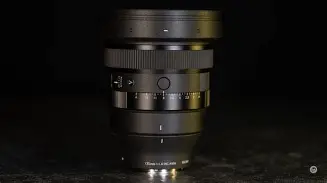
The 135mm Art prime is built to impress: substantial, well-damped focus ring, and a robust mount that stays put on heavy bodies. It is a lens that feels like a professional tool—solid and deliberate. The front element size and overall barrel length make it a presence on smaller bodies, and photographers should anticipate balancing the lens with camera straps or a tripod for longer handheld sessions.
Find top-rated Cameras & Photography products at great prices.
View Offers →Optical Performance
The 135mm’s reputation is largely earned by its optical rendering. Sharpness is exceptional across the frame when stopped down slightly (but still very usable wide open), and the bokeh is smooth and round, making it ideal for headshots and three-quarter portraits. The focal length’s compression character also flatters faces and compresses backgrounds, helping subjects pop even in busy environments. Expect minimal chromatic aberration in the center, with some color fringing potentially appearing in high-contrast edges—typically correctable in raw processing.
Autofocus and Performance in the Field
Autofocus speed and reliability are strong on the 135mm for single-subject shooting. It’s not intended for high-speed sports tracking but excels at deliberate, controlled portrait sessions, events where subjects are relatively stationary, and editorial work. Manual focusing is precise thanks to a long focus throw on most models, which benefits studio use and careful composition.
Real-World Use Cases
- Portraits and editorial work: The 135mm is a go-to for tight headshots and editorial portraits where background separation and subject flatness are desired.
- Wedding photography: Ideal for ceremony and reception shots where the photographer needs to remain unobtrusive while achieving intimate framing and creamy bokeh.
- Low-light stage/performances: When paired with a fast camera body and good technique, the f/1.4 aperture allows usable shutter speeds in dim conditions while keeping noise manageable.
Pros & Cons
- Pros:
- Outstanding subject rendering and bokeh at f/1.4.
- Excellent sharpness for portrait-level detail.
- Strong build, professional feel—designed for demanding work.
- Compression and working distance ideal for flattering portraiture.
- Cons:
- Large and relatively heavy compared with short primes—less suited to lightweight travel kits.
- Limited versatility: single focal length requires stepping back or swapping lenses for different compositions.
- May require higher shutter speeds or stabilization techniques in low light for sharp handheld results on smaller bodies.
Head-to-Head Comparison
| Feature | Sigma 17–40mm F1.8 DC Art | Sigma 135mm F1.4 DG Art |
|---|---|---|
| Focal Length | Zoom 17–40mm (wide to normal on APS-C) | Prime 135mm (telephoto portrait prime) |
| Maximum Aperture | Constant f/1.8 across the range — bright for a zoom | Very fast f/1.4 — exceptional subject isolation |
| Format Target | Designed for APS-C (DC designation) | Designed for full-frame (DG designation), commonly used on full-frame bodies |
| Primary Strengths | Versatility, low-light flexibility, environmental portraits | Bokeh quality, compression, studio and portrait excellence |
| Typical Uses | Travel, events, street, run-and-gun video | Portraits, weddings, editorial, stage |
| Handling | More compact for a bright zoom; balances well on crop bodies | Front-heavy on small bodies; feels substantial and professional |
| Flexibility | High—covers a range of focal lengths without swapping lenses | Low—single focal length but excels when used in its sweet spot |
| Who Should Consider | Photographers who want one versatile, bright lens for crop bodies | Photographers prioritizing portrait quality and subject separation |
Which Lens Should You Choose? Use-Case Scenarios
Choosing between these lenses is not about picking a “better” lens but selecting the right tool for the job. The following scenarios help match lens to photographer goals:
- One-lens travel kit (APS-C user): The 17–40mm F1.8 is the obvious pick. It covers most travel needs, from landscapes to candid portraits, and its bright aperture improves night or interior photography without a tripod.
- Dedicated portrait or wedding photographer (full-frame): The 135mm F1.4 is the preferred option for ceremony or editorial portraits where subject separation and bokeh are priorities. It makes backgrounds dissolve beautifully and flatters subjects via compression.
- Hybrid shooters who need both flexibility and portrait capability: Consider pairing them if budget and kit weight allow: use the 17–40mm on crop bodies or APS-C segments of the workflow, and bring the 135mm for dedicated portrait sets or where maximum separation is required.
- Event photographers on a budget: If forced to choose one lens and the majority of work requires moving around crowded venues or changing composition rapidly, the 17–40mm is the practical pick. If the bulk of work is portraits or headshots, the 135mm is worth prioritizing.
Buying Guide — What to Consider in 2026
In 2026, the core considerations around choosing a lens remain consistent: sensor format, primary use, body compatibility, ergonomics, and value. The following points give a structured approach for buyers deciding between a versatile bright zoom and a long, fast prime.
1. Sensor Format and System Compatibility
Confirm whether the lens is intended for your camera’s sensor size. The "DC" designation indicates Sigma’s crop-sensor orientation—best suited for APS-C cameras—whereas "DG" indicates full-frame coverage. Check native mounts: Sigma has expanded native mount availability in recent years, but some models may require adapters. Using adapted lenses can work well but may affect autofocus performance and balance.
2. Primary Use Case
List the top three things you’ll shoot most often. If those are travel, interiors, or fast-paced documentary events, the 17–40mm's flexibility and constant f/1.8 make it a strong choice. If the priority is tightly composed portraits, editorial work, or controlled studio sessions, the 135mm’s rendering and aperture are hard to beat.
3. Handling and Ergonomics
Consider how the lens feels on your primary body. A heavy 135mm may throw off balance on lighter mirrorless cameras for long sessions; conversely, the 17–40mm can add bulk to an otherwise small travel setup. Whenever possible, test the lens on your camera to evaluate handling, button placement, and whether a tripod collar or support will be necessary for your shooting style.
Shop the latest Cameras & Photography picks on Amazon.
View Offers →4. Focus and Speed Requirements
Evaluate autofocus requirements. Fast single-shot AF and accurate eye-detection will be adequate for portraits and posed work. If anticipating continuous-tracking of erratic subjects, research real-world tracking performance on your camera body and whether firmware updates improve responsiveness.
5. Post-Processing and File Workflow
Both lenses will produce files that benefit from lens correction and minor tweaks. The 17–40mm might require more correction for vignetting or perspective at the wide end, while the 135mm may require attention to focus falloff at very large apertures. Factor in your tolerance for post-processing or whether you prefer more “baked-in” lens character.
6. Resale, Service, and Long-Term Value
Art-series lenses tend to hold value reasonably well. Consider warranty options and the availability of service centers in your region. If purchasing used, inspect for fungus, element haze, and smoothness of the focus/zoom rings.
7. Accessories and Practicalities
Think about filters, caps, cases, and support gear. Bright wide zooms can have large front elements needing similarly large filters; primes often accept screw-on filters more easily. A 135mm might benefit from a monopod or tripod for long sessions; the 17–40mm benefits from a small, fast prime backup if absolute maximum sharpness is sometimes required.
Conclusion
The Sigma 17–40mm F1.8 DC Art and the Sigma 135mm F1.4 DG Art serve distinctly different photographic needs. The 17–40mm is a flexible, low-light-ready zoom that excels for travel, events, and run-and-gun shooting on APS-C bodies. The 135mm is a specialist’s dream for portraits and any situation where separation and bokeh quality are paramount. Buyers should prioritize the lens that aligns with their most common shooting scenarios: versatility and range, or ultimate subject rendering and compression.
Ultimately, the “best” choice is the lens that solves the photographer’s day-to-day problems. For those who must choose one: pick the 17–40mm if flexibility and convenience dominate, and choose the 135mm if portrait quality and artistic rendering are the priority. For those who can afford both, they form a complementary pair—one for capturing the scene, the other for isolating the subject.